 Brooklyn Letters

1139 Prospect Avenue, Brooklyn
-
We would highly recommend Ally! Our son always asks about her, so very thankful to Brooklyn Letters for introducing us.
~ Emily, mom of Brooklyn 2 year old -
I cannot express how grateful and rewarding my experience with Brooklyn Letters has been. Her tutor Ms. Daria is so knowledgeable, amazing, kind and awesome. My daughter has made so much progress in Literacy and Math and it's all … More thanks to Ms. Daria. I know my daughter is sad that she can no longer work with Ms. Daria, as she looked forward to their sessions every week. Thank you again!
-
Nicole has been an amazing therapist!! She played a tremendous role in our daughter’s speech progress and overall development. She has come such a long way and we are so happy with the therapy she received!
-
We could not be happier with the services Valerie provided! She is very thoughtful and knowledgeable and provided significant guidance to support our daughter's speech development outside of our scheduled sessions. She established … More a great working relationship with her, and she will definitely be missed! Your business model is amazing and it was an absolute pleasure working with Valerie. I've referred your organization and Valerie to the Executive Director of our daughter's school and friends/colleagues who are in need of speech therapy services.
-
Christina was absolutely wonderful. She went out of her way to win my son over and it worked. He looked forward to her visits and his speech improved so much under her care. She was super flexible and it’s clear she truly cares. We adore … More Christina and we’re going to miss her. Almost sad he improved so much! She’s simply amazing and we can’t say enough how great she is. I would recommend her services to anyone and everyone, without hesitation. Thank you so much for connecting us with her!
-
We cannot say enough good things about Effie, the ASL teacher, who was so engaged and effective with our 2 year old daughter from the very first session! Effie gladly included our whole family in the sessions! Her expertise and fantastic … More personality gave our daughter a way to communicate that she was so desperately seeking. The coordinators at Brooklyn Letters were so helpful and communicative…I would highly recommend their services!
-
Samantha Dalmas was fantastic! We saw her for a feeding therapy evaluation and while she doesn’t think my daughter needs more feeding therapy sessions at this time, but she gave me lots of tips to try. If my daughter's doctors want … More to see more progress at her next appointment, I wouldn’t hesitate to reach out to Samantha again.
-
Brooklyn Letters was recommended to me through a friend's speech therapist friend in NJ. The articulation evaluation for my daughter went well. We were pleased with Kristin's services.
-
Melissa was wonderful. Our daughter warmed to her immediately and by the time she left, had already started "practicing" some of the techniques Melissa had shown her. I will not hesitate at all to reach out to Melissa again, should … More the need arise.
-
Aileen was INCREDIBLY helpful to us, both in assessing possible origins of my grandson's food aversions, as well as informing us of various available interventions to consider.
I can’t thank you and Brooklyn Letters enough for connecting … More us with Aileen. In all our feeding therapy journey we have not gotten anything near the kind of benefit that we did from her. Her knowledge, professionalism, and responsiveness have put us on the path of progress with my grandson and has also made us feel genuinely well cared for. -
We were amazed with Allison! She met my son at 2 1/2 years old, not speaking much at all, and over a computer, and she was able to develop a bond and friendship, so much so that he would look forward to his weekly computer time with Allison. … More I was not sure how the speech therapy would go- but we are so happy that we tried it out and continued. It allowed my son to gain confidence in his speech, make a new friend :), and also give him the skills and a bit of understanding of how to shape his mouth or where to place his tongue to make the proper sounds. We were extremely happy with Allison- she was fantastic to work with.
-
My sessions with Karen have been extremely helpful. My speech has improved tremendously. In fact, I just finished 2 hours of conducting interviews with a consulting client via MS Teams and I have an upcoming conference call. Both my … More neurologist and neurosurgeon remarked about how good my speech is. Much of the day it is perfect, although I still have some rough spots when I get tired or speak too quickly. One of my granddaughters is a speech pathology student at Ithaca College. She sat in on 2 sessions while she was home for winter break, and she was very impressed with Karen.
-
We were delighted with Christie. First, and most importantly, our son made great strides under her guidance. So great, that we felt he no longer needed help! She was incredibly patient and kind with him and our son really responded to … More her. Christie was also great with me and my wife. She provided thorough and informative updates on our son's progress and which exercises she was using with him, so we could reinforce what she was teaching him. All in all, we had a fabulous experience with Christie and would highly recommend her.
-
Theo was wonderful and his work with my son has produced some progress. I am grateful for the services Theo provided.
-
Highly recommend Jill. She is a total pleasure to work with. After a few months working with Jill, my son is reading above grade level and LOVES to read. Mission accomplished!
-
Paige was great and we had been really happy with her. I would highly recommend her! I recommend Brooklyn Letters to whomever asks for a speech therapist.
-
Isabel was WONDERFUL and our son absolutely adored her, and he is making great progress with his reading and writing.
-
Theo was fantastic with our 4yo son. We were very worried that his progress would fall off when we had to switch to remote sessions, but Theo kept our son happy and engaged through the screen. Highly highly recommend!
-
We've been working with Theo from Brooklyn Letters for close to 4 months now and the results are apparent; our daughter has vastly improved her speech in a relatively short amount of time. We make "Theo Day" a celebration … More in our house with pancakes for breakfast, and the enthusiasm is matched in the sessions. Theo is fun, patient, professional, and caring, and he gives us the tools to take the lessons beyond the session. Thank you Theo, and Brooklyn Letters, for helping our daughter express herself.
-
I worked with Alina to enhance my pronunciation, tone, and pacing while communicating socially and in a work environment. She was great to work with and clear about goals and learning objectives. The improvement from day 1 has been tremendous! … More
-
Cathy has been excellent with us and our son. We will sorely miss her. He has improved significantly with Cathy’s help. Cathy was a true partner with us, especially as we pursued additional help through our son’s school system.
-
We really loved working with Alina, she is so fantastic. Patient yet firm, and determined the best course of action very clearly and succintly for us. And it all transitioned so well to Zoom as well. I will definitely be back in touch for … More services for our other child after summer break!
-
Vera was amazing! My 11 yo daughter made progress so quickly and really looked forward to her sessions. She was kept motivated and engaged.
-
The work that Allison P. did with our daughter over the years has been invaluable to us. Our daughter had such a good relationship with Allison, and it allowed them to work really well together - even remotely these past 6 months. This … More year, Allison went above and beyond by helping us throughout the neuropsych eval we did, trying to re-open our daughter's IEP at her school, and eventually landing her at our chosen school. She was in contact with our daughter's teachers, with the neuropsychologist, and made herself available as a reference to speak on behalf of our daughter's learning differences.
Allison stopped by our house last week to give our daughter cupcakes and say goodbye, and I literally cried with appreciation for what an amazing speech therapist she has been. She has been our daughter's biggest champion. The new families that she will work with this year are lucky to have her. -
Sydney was great! Our son was sad to end his sessions with her, which says a lot. We appreciated her honest assessment of his skill level, and he now has materials to self monitor and practice. Thank you!
-
Our experience with Theo was terrific. Theo was great with my son. He developed a positive relationship with him based on sincerity, respect, trust and a deep personal connection. In their lessons, Theo was encouraging, creative and kind. … More He helped our son understand how to differentiate the sounds he made when he spoke, and gave him great exercises to practice every week between lessons. Our son was sorry to have the lessons come to an end, but recognized that Theo had helped him as much as possible and it was time for him to stop. Theo explained to him (and us) how to keep working to get the last 5%, and encouraged him to keep working on the exercises on his own. I have recommended Theo to another parent who noticed my son's improvement and inquired for her own son.
We are all grateful to have gotten to know Theo, and we greatly appreciate all the work he did to help our son. -
"I have nothing but wonderful things to say about Michelle Macroy-Higgins. We are extremely pleased with her work with our daughter. I was so grateful for my daughter to have a speech therapist who is a researcher (specialty in late … More talkers), graduate professor and practitioner. Her expertise was clearly evident in our conversations and work with our daughter. She was very responsive to my questions and often sent articles and other materials about language development that I found helpful. Thankfully, my daughter's speech improved tremendously. Michelle developed such a warm relationship with my daughter. My daughter was always excited to see Michelle and would greet her at the door with a big hug. Lastly, I would add that Michelle always demonstrated empathy with me as a mother who was initially worried about her daughter's language development. I could go on and on about how pleased we were with Michelle's work."
-
Theo is a wonderful Clinton Hill speech therapist. We were really pleased with him. Our son showed drastic improvement, not only in his speech but in his confidence.
-
Alexa has been an enthusiastic, reliable, well prepared and caring teacher for our 6 year old daughter. She has been able to improve and increase our daughter's confidence lesson by lesson with patience and competence; through varied … More and productive didactic practice. Alexa has engaged our daughter in several activities that always kept her motivated and eager to learn literacy. My wife and I, both of us are educators, feel so fortunate to have had the opportunity to observe Alexa's pedagogical skills. Alexa has had a big impact on our daughter literacy growth. Thank you Brooklyn Letters!
-
We were absolutely DELIGHTED with Marsha's services. She was wonderful. We found her to be kind, fun, engaging, very knowledgeable. She provided us with clear instructions and additional written handouts each week. She engaged our … More son with different techniques and toys, and showed us how to use her techniques when we were interacting with him. I actually just texted her on Saturday - Our son finally said "more" - one of the target words we had been working on with her. It was a total joy to hear, and I had to share it with her - she wrote back immediately to congratulate us. I am so appreciative of her expertise, and wish we could have seen her for longer. I recommended her to another family in our neighborhood who is looking for a speech therapist.
























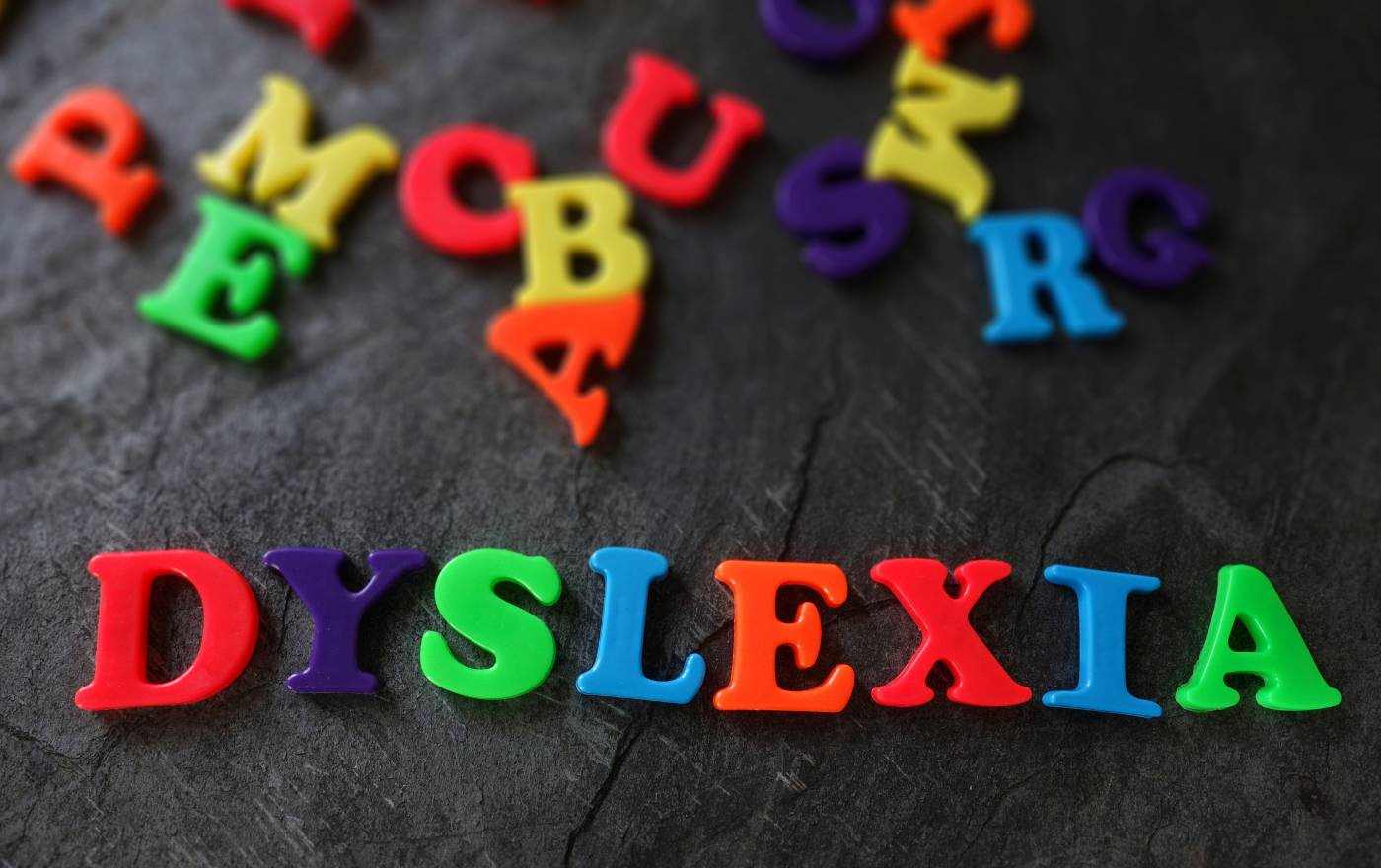
WHAT IS DYSLEXIA?

Defining What Is Dyslexia
Dyslexia is a neurological condition primarily affecting reading, spelling, and writing skills. It is not related to intelligence or lack of effort but is a result of differences in how the brain processes language. People with dyslexia may have difficulty decoding words, recognizing letter-sound relationships, and mastering fundamental reading skills.
The exact cause of dyslexia is still a subject of ongoing research, but it is believed to have genetic and environmental factors. It often runs in families, suggesting a strong genetic component.
Recognizing the Signs
Identifying dyslexia can be challenging, as it manifests differently in each individual. Some common signs and symptoms include:
- Difficulty with reading: People with dyslexia may struggle with reading fluency and comprehension. They might read slowly, mispronounce words, or lose their place while reading.
- Spelling difficulties: Dyslexic individuals often have trouble spelling, even with common words. They may also need help remembering the correct order of letters in words.
- Difficulty with writing: Dyslexia can affect a person’s ability to express their thoughts in writing. They may need help organizing their ideas using proper grammar and may produce written work that is less coherent than expected for their age or educational level.
- Phonological difficulties: Many individuals with dyslexia struggle with phonological awareness, including the ability to recognize and manipulate language sounds. This can affect their ability to learn new words and language skills.
Impact
The challenges associated with dyslexia can have a profound impact on individuals throughout their lives. Early academic struggles may lead to low self-confidence, low self-esteem, and a negative view of education. However, it’s important to note that dyslexic individuals often possess unique strengths, such as creativity, problem-solving abilities, and strong visual thinking skills.
In adulthood, dyslexia can continue to present obstacles, especially in the workplace. It may take individuals with dyslexia longer to complete reading and writing tasks, leading to stress and frustration. However, with the right support and accommodations, many dyslexic individuals have succeeded in various fields, including business, science, and the arts.

Support and Accommodations
Understanding dyslexia is the first step in providing appropriate support and accommodations for individuals with this condition. Some effective strategies and accommodations include:
- Early intervention: Identifying dyslexia in children and providing targeted interventions can significantly improve their reading and writing skills. Early support is crucial for building confidence and preventing long-term academic difficulties.
- Individualized education plans (IEPs): IEPs can outline specific accommodations and strategies tailored to a student’s needs in schools. This may include extra time for reading and writing assignments, audiobooks, or assistive technology.
- Assistive technology: Various tools and software are designed to assist dyslexic individuals in reading and writing. Text-to-speech software, spell-checkers, and speech recognition programs can be incredibly helpful.
- Tutoring and specialized instruction: Dyslexic individuals can benefit from technical education focusing on phonemic awareness, decoding skills, and reading comprehension.
By increasing awareness, providing appropriate support, and accommodating the unique needs of dyslexic individuals, we can help make learning easier. With the right resources and understanding, dyslexic individuals can thrive in both e
Identifying the Indicators
It’s common for a child’s dyslexia to go unnoticed until they start school. Yet, by being aware of certain indicators, you can seek assistance before they begin formal education. Observing any of the points below warrants an evaluation:
- Reading Hurdles: Challenges in pronouncing words, fluent reading, or understanding written content.
- Issues with Spelling: Regular and often varied spelling mistakes.
- Troubles in Writing: Difficulties with sentence structure, punctuation, and articulating ideas.
- Delayed Reading: Reading at a slower pace compared to peers without dyslexia.
- Weak Sound Recognition: Problems in identifying and manipulating sounds within words.
- Rhyming Struggles: Difficulties in recognizing or producing words that rhyme.
- Sequencing Problems: Issues in recalling and executing a series of instructions or events.

Getting a Diagnosis
If you think your child might have dyslexia, it’s essential to consult a specialist, like a neuropsychologist or educational psychologist, for a formal assessment. An accurate dyslexia diagnosis can pave the way for the right support and adjustments.
A standard assessment might involve:
Gathering detailed information about the child’s linguistic development and attention-related issues.
- Tracking the child’s academic journey.
- Evaluating reading precision (untimed tests for reading specific and fabricated words).
- Testing reading speed (timed tests for reading specific and fabricated words and continuous text)
Analyzing sound processing (combining and segmenting words into their fundamental sounds).
- Spelling evaluation.
- Math assessment, encompassing worded problems and arithmetic.
- General cognitive assessment, covering both verbal and visual skills.
The duration of evaluations can differ, often taking up to two days, depending on the child and the assessor. Changing how dyslexia is diagnosed could help many more children learn to read. Learn why so many dyslexia diagnoses are often missed by too many schools.
Post-Diagnosis Steps
After receiving a diagnosis:
- Discuss the findings with the assessor and plan before sharing the details with the school.
- Reflect on your thoughts and questions, and jot them down. Consider discussing your notes with someone you trust.
- Receiving critical feedback about your child can be tough. Strive to remain objective and manage your emotions.
- Pay attention, make notes, and seek clarifications if needed.
Stand your ground and champion your child’s needs.
Approaches and Assistance
Several methods and support mechanisms can greatly aid children with dyslexia:
- Comprehensive Literacy Programs: These research-backed programs offer organized and clear lessons in reading and writing.
- Multi-Faceted Learning: Using multiple senses (visual, auditory, tactile) can enhance learning.
- Supportive Tech: Resources like text-to-speech applications, voice recognition, and audiobooks can be invaluable.
- Personalized Education Plan (IEP): Collaborate with your child’s school to devise an IEP that caters to their unique abilities and requirements.
- Speech and Linguistic Therapy: Speech therapists can enhance language and reading capabilities.
- Encouraging Home Setting: Promote reading activities at home, initiate conversations, and offer affirmative feedback.
Boosting Self-Worth
Dyslexic children might grapple with self-doubt due to their challenges. As guardians, you can uplift them by:
- Applauding their achievements, regardless of size.
- Fostering their non-academic talents and passions.
- Instilling a progressive mindset, underscoring that dedication and persistence result in growth.
- Engage in daily reading sessions with your child.
- Openly discuss the diagnosis with your child. Understanding their unique learning style can empower them.
Chat with Us Today! We Offer Speech Therapy for Dyslexia at Brooklyn Letters!
FREE CONSULTATION!!!
Call: (347) 394-3485, Text: (917) 426-8880
Email: [email protected]
(we respond to email right away!)


Craig Selinger
Latest posts by Craig Selinger (see all)
- NYC Middle School Transition Support Group - April 7, 2024
- Understanding Toddler Neurodevelopmental Evaluation - April 3, 2024
- Rare Diseases in New York City - February 29, 2024