 Brooklyn Letters

1139 Prospect Avenue, Brooklyn
-
We would highly recommend Ally! Our son always asks about her, so very thankful to Brooklyn Letters for introducing us.
~ Emily, mom of Brooklyn 2 year old -
I cannot express how grateful and rewarding my experience with Brooklyn Letters has been. Her tutor Ms. Daria is so knowledgeable, amazing, kind and awesome. My daughter has made so much progress in Literacy and Math and it's all … More thanks to Ms. Daria. I know my daughter is sad that she can no longer work with Ms. Daria, as she looked forward to their sessions every week. Thank you again!
-
Nicole has been an amazing therapist!! She played a tremendous role in our daughter’s speech progress and overall development. She has come such a long way and we are so happy with the therapy she received!
-
We could not be happier with the services Valerie provided! She is very thoughtful and knowledgeable and provided significant guidance to support our daughter's speech development outside of our scheduled sessions. She established … More a great working relationship with her, and she will definitely be missed! Your business model is amazing and it was an absolute pleasure working with Valerie. I've referred your organization and Valerie to the Executive Director of our daughter's school and friends/colleagues who are in need of speech therapy services.
-
Christina was absolutely wonderful. She went out of her way to win my son over and it worked. He looked forward to her visits and his speech improved so much under her care. She was super flexible and it’s clear she truly cares. We adore … More Christina and we’re going to miss her. Almost sad he improved so much! She’s simply amazing and we can’t say enough how great she is. I would recommend her services to anyone and everyone, without hesitation. Thank you so much for connecting us with her!
-
We cannot say enough good things about Effie, the ASL teacher, who was so engaged and effective with our 2 year old daughter from the very first session! Effie gladly included our whole family in the sessions! Her expertise and fantastic … More personality gave our daughter a way to communicate that she was so desperately seeking. The coordinators at Brooklyn Letters were so helpful and communicative…I would highly recommend their services!
-
Samantha Dalmas was fantastic! We saw her for a feeding therapy evaluation and while she doesn’t think my daughter needs more feeding therapy sessions at this time, but she gave me lots of tips to try. If my daughter's doctors want … More to see more progress at her next appointment, I wouldn’t hesitate to reach out to Samantha again.
-
Brooklyn Letters was recommended to me through a friend's speech therapist friend in NJ. The articulation evaluation for my daughter went well. We were pleased with Kristin's services.
-
Melissa was wonderful. Our daughter warmed to her immediately and by the time she left, had already started "practicing" some of the techniques Melissa had shown her. I will not hesitate at all to reach out to Melissa again, should … More the need arise.
-
Aileen was INCREDIBLY helpful to us, both in assessing possible origins of my grandson's food aversions, as well as informing us of various available interventions to consider.
I can’t thank you and Brooklyn Letters enough for connecting … More us with Aileen. In all our feeding therapy journey we have not gotten anything near the kind of benefit that we did from her. Her knowledge, professionalism, and responsiveness have put us on the path of progress with my grandson and has also made us feel genuinely well cared for. -
We were amazed with Allison! She met my son at 2 1/2 years old, not speaking much at all, and over a computer, and she was able to develop a bond and friendship, so much so that he would look forward to his weekly computer time with Allison. … More I was not sure how the speech therapy would go- but we are so happy that we tried it out and continued. It allowed my son to gain confidence in his speech, make a new friend :), and also give him the skills and a bit of understanding of how to shape his mouth or where to place his tongue to make the proper sounds. We were extremely happy with Allison- she was fantastic to work with.
-
My sessions with Karen have been extremely helpful. My speech has improved tremendously. In fact, I just finished 2 hours of conducting interviews with a consulting client via MS Teams and I have an upcoming conference call. Both my … More neurologist and neurosurgeon remarked about how good my speech is. Much of the day it is perfect, although I still have some rough spots when I get tired or speak too quickly. One of my granddaughters is a speech pathology student at Ithaca College. She sat in on 2 sessions while she was home for winter break, and she was very impressed with Karen.
-
We were delighted with Christie. First, and most importantly, our son made great strides under her guidance. So great, that we felt he no longer needed help! She was incredibly patient and kind with him and our son really responded to … More her. Christie was also great with me and my wife. She provided thorough and informative updates on our son's progress and which exercises she was using with him, so we could reinforce what she was teaching him. All in all, we had a fabulous experience with Christie and would highly recommend her.
-
Theo was wonderful and his work with my son has produced some progress. I am grateful for the services Theo provided.
-
Highly recommend Jill. She is a total pleasure to work with. After a few months working with Jill, my son is reading above grade level and LOVES to read. Mission accomplished!
-
Paige was great and we had been really happy with her. I would highly recommend her! I recommend Brooklyn Letters to whomever asks for a speech therapist.
-
Isabel was WONDERFUL and our son absolutely adored her, and he is making great progress with his reading and writing.
-
Theo was fantastic with our 4yo son. We were very worried that his progress would fall off when we had to switch to remote sessions, but Theo kept our son happy and engaged through the screen. Highly highly recommend!
-
We've been working with Theo from Brooklyn Letters for close to 4 months now and the results are apparent; our daughter has vastly improved her speech in a relatively short amount of time. We make "Theo Day" a celebration … More in our house with pancakes for breakfast, and the enthusiasm is matched in the sessions. Theo is fun, patient, professional, and caring, and he gives us the tools to take the lessons beyond the session. Thank you Theo, and Brooklyn Letters, for helping our daughter express herself.
-
I worked with Alina to enhance my pronunciation, tone, and pacing while communicating socially and in a work environment. She was great to work with and clear about goals and learning objectives. The improvement from day 1 has been tremendous! … More
-
Cathy has been excellent with us and our son. We will sorely miss her. He has improved significantly with Cathy’s help. Cathy was a true partner with us, especially as we pursued additional help through our son’s school system.
-
We really loved working with Alina, she is so fantastic. Patient yet firm, and determined the best course of action very clearly and succintly for us. And it all transitioned so well to Zoom as well. I will definitely be back in touch for … More services for our other child after summer break!
-
Vera was amazing! My 11 yo daughter made progress so quickly and really looked forward to her sessions. She was kept motivated and engaged.
-
The work that Allison P. did with our daughter over the years has been invaluable to us. Our daughter had such a good relationship with Allison, and it allowed them to work really well together - even remotely these past 6 months. This … More year, Allison went above and beyond by helping us throughout the neuropsych eval we did, trying to re-open our daughter's IEP at her school, and eventually landing her at our chosen school. She was in contact with our daughter's teachers, with the neuropsychologist, and made herself available as a reference to speak on behalf of our daughter's learning differences.
Allison stopped by our house last week to give our daughter cupcakes and say goodbye, and I literally cried with appreciation for what an amazing speech therapist she has been. She has been our daughter's biggest champion. The new families that she will work with this year are lucky to have her. -
Sydney was great! Our son was sad to end his sessions with her, which says a lot. We appreciated her honest assessment of his skill level, and he now has materials to self monitor and practice. Thank you!
-
Our experience with Theo was terrific. Theo was great with my son. He developed a positive relationship with him based on sincerity, respect, trust and a deep personal connection. In their lessons, Theo was encouraging, creative and kind. … More He helped our son understand how to differentiate the sounds he made when he spoke, and gave him great exercises to practice every week between lessons. Our son was sorry to have the lessons come to an end, but recognized that Theo had helped him as much as possible and it was time for him to stop. Theo explained to him (and us) how to keep working to get the last 5%, and encouraged him to keep working on the exercises on his own. I have recommended Theo to another parent who noticed my son's improvement and inquired for her own son.
We are all grateful to have gotten to know Theo, and we greatly appreciate all the work he did to help our son. -
"I have nothing but wonderful things to say about Michelle Macroy-Higgins. We are extremely pleased with her work with our daughter. I was so grateful for my daughter to have a speech therapist who is a researcher (specialty in late … More talkers), graduate professor and practitioner. Her expertise was clearly evident in our conversations and work with our daughter. She was very responsive to my questions and often sent articles and other materials about language development that I found helpful. Thankfully, my daughter's speech improved tremendously. Michelle developed such a warm relationship with my daughter. My daughter was always excited to see Michelle and would greet her at the door with a big hug. Lastly, I would add that Michelle always demonstrated empathy with me as a mother who was initially worried about her daughter's language development. I could go on and on about how pleased we were with Michelle's work."
-
Theo is a wonderful Clinton Hill speech therapist. We were really pleased with him. Our son showed drastic improvement, not only in his speech but in his confidence.
-
Alexa has been an enthusiastic, reliable, well prepared and caring teacher for our 6 year old daughter. She has been able to improve and increase our daughter's confidence lesson by lesson with patience and competence; through varied … More and productive didactic practice. Alexa has engaged our daughter in several activities that always kept her motivated and eager to learn literacy. My wife and I, both of us are educators, feel so fortunate to have had the opportunity to observe Alexa's pedagogical skills. Alexa has had a big impact on our daughter literacy growth. Thank you Brooklyn Letters!
-
We were absolutely DELIGHTED with Marsha's services. She was wonderful. We found her to be kind, fun, engaging, very knowledgeable. She provided us with clear instructions and additional written handouts each week. She engaged our … More son with different techniques and toys, and showed us how to use her techniques when we were interacting with him. I actually just texted her on Saturday - Our son finally said "more" - one of the target words we had been working on with her. It was a total joy to hear, and I had to share it with her - she wrote back immediately to congratulate us. I am so appreciative of her expertise, and wish we could have seen her for longer. I recommended her to another family in our neighborhood who is looking for a speech therapist.


























For over 13 years, Brooklyn Letters has been bringing that personal touch right to your doorstep with the best personalized 1:1 speech, language, feeding, and literacy and math tutoring services to homes and private school settings across the NYC Metro area, as well as offering remote sessions for families worldwide. Our dynamic, multidisciplinary team—recommended to us through word of mouth—includes speech-language pathologists for all ages, dedicated literacy (Orton Gillingham and Fundations/Wilson), and math specialists for elementary students, and compassionate SEIT providers, all on a private pay basis.

Since 2010, our dedicated 😊 and caring team of private pay speech-language pathologists, along with math and literacy tutors 📚, have been committed to providing 1:1 attention and offering convenient house 🏠 and school 🏫 visits across the NYC Metro area, bringing our specialized expertise ⭐ to your doorstep seven days a week!
Brooklyn Letters
1139 Prospect Avenue, Brooklyn
-
We would highly recommend Ally! Our son always asks about her, so very thankful to Brooklyn Letters for introducing us.
~ Emily, mom of Brooklyn 2 year old -
I cannot express how grateful and rewarding my experience with Brooklyn Letters has been. Her tutor Ms. Daria is so knowledgeable, amazing, kind and awesome. My daughter has made so much progress in Literacy and Math and it's all … More thanks to Ms. Daria. I know my daughter is sad that she can no longer work with Ms. Daria, as she looked forward to their sessions every week. Thank you again!
-
Nicole has been an amazing therapist!! She played a tremendous role in our daughter’s speech progress and overall development. She has come such a long way and we are so happy with the therapy she received!
-
We could not be happier with the services Valerie provided! She is very thoughtful and knowledgeable and provided significant guidance to support our daughter's speech development outside of our scheduled sessions. She established … More a great working relationship with her, and she will definitely be missed! Your business model is amazing and it was an absolute pleasure working with Valerie. I've referred your organization and Valerie to the Executive Director of our daughter's school and friends/colleagues who are in need of speech therapy services.
-
Christina was absolutely wonderful. She went out of her way to win my son over and it worked. He looked forward to her visits and his speech improved so much under her care. She was super flexible and it’s clear she truly cares. We adore … More Christina and we’re going to miss her. Almost sad he improved so much! She’s simply amazing and we can’t say enough how great she is. I would recommend her services to anyone and everyone, without hesitation. Thank you so much for connecting us with her!
-
We cannot say enough good things about Effie, the ASL teacher, who was so engaged and effective with our 2 year old daughter from the very first session! Effie gladly included our whole family in the sessions! Her expertise and fantastic … More personality gave our daughter a way to communicate that she was so desperately seeking. The coordinators at Brooklyn Letters were so helpful and communicative…I would highly recommend their services!
-
Samantha Dalmas was fantastic! We saw her for a feeding therapy evaluation and while she doesn’t think my daughter needs more feeding therapy sessions at this time, but she gave me lots of tips to try. If my daughter's doctors want … More to see more progress at her next appointment, I wouldn’t hesitate to reach out to Samantha again.
-
Brooklyn Letters was recommended to me through a friend's speech therapist friend in NJ. The articulation evaluation for my daughter went well. We were pleased with Kristin's services.
-
Melissa was wonderful. Our daughter warmed to her immediately and by the time she left, had already started "practicing" some of the techniques Melissa had shown her. I will not hesitate at all to reach out to Melissa again, should … More the need arise.
-
Aileen was INCREDIBLY helpful to us, both in assessing possible origins of my grandson's food aversions, as well as informing us of various available interventions to consider.
I can’t thank you and Brooklyn Letters enough for connecting … More us with Aileen. In all our feeding therapy journey we have not gotten anything near the kind of benefit that we did from her. Her knowledge, professionalism, and responsiveness have put us on the path of progress with my grandson and has also made us feel genuinely well cared for. -
We were amazed with Allison! She met my son at 2 1/2 years old, not speaking much at all, and over a computer, and she was able to develop a bond and friendship, so much so that he would look forward to his weekly computer time with Allison. … More I was not sure how the speech therapy would go- but we are so happy that we tried it out and continued. It allowed my son to gain confidence in his speech, make a new friend :), and also give him the skills and a bit of understanding of how to shape his mouth or where to place his tongue to make the proper sounds. We were extremely happy with Allison- she was fantastic to work with.
-
My sessions with Karen have been extremely helpful. My speech has improved tremendously. In fact, I just finished 2 hours of conducting interviews with a consulting client via MS Teams and I have an upcoming conference call. Both my … More neurologist and neurosurgeon remarked about how good my speech is. Much of the day it is perfect, although I still have some rough spots when I get tired or speak too quickly. One of my granddaughters is a speech pathology student at Ithaca College. She sat in on 2 sessions while she was home for winter break, and she was very impressed with Karen.
-
We were delighted with Christie. First, and most importantly, our son made great strides under her guidance. So great, that we felt he no longer needed help! She was incredibly patient and kind with him and our son really responded to … More her. Christie was also great with me and my wife. She provided thorough and informative updates on our son's progress and which exercises she was using with him, so we could reinforce what she was teaching him. All in all, we had a fabulous experience with Christie and would highly recommend her.
-
Theo was wonderful and his work with my son has produced some progress. I am grateful for the services Theo provided.
-
Highly recommend Jill. She is a total pleasure to work with. After a few months working with Jill, my son is reading above grade level and LOVES to read. Mission accomplished!
-
Paige was great and we had been really happy with her. I would highly recommend her! I recommend Brooklyn Letters to whomever asks for a speech therapist.
-
Isabel was WONDERFUL and our son absolutely adored her, and he is making great progress with his reading and writing.
-
Theo was fantastic with our 4yo son. We were very worried that his progress would fall off when we had to switch to remote sessions, but Theo kept our son happy and engaged through the screen. Highly highly recommend!
-
We've been working with Theo from Brooklyn Letters for close to 4 months now and the results are apparent; our daughter has vastly improved her speech in a relatively short amount of time. We make "Theo Day" a celebration … More in our house with pancakes for breakfast, and the enthusiasm is matched in the sessions. Theo is fun, patient, professional, and caring, and he gives us the tools to take the lessons beyond the session. Thank you Theo, and Brooklyn Letters, for helping our daughter express herself.
-
I worked with Alina to enhance my pronunciation, tone, and pacing while communicating socially and in a work environment. She was great to work with and clear about goals and learning objectives. The improvement from day 1 has been tremendous! … More
-
Cathy has been excellent with us and our son. We will sorely miss her. He has improved significantly with Cathy’s help. Cathy was a true partner with us, especially as we pursued additional help through our son’s school system.
-
We really loved working with Alina, she is so fantastic. Patient yet firm, and determined the best course of action very clearly and succintly for us. And it all transitioned so well to Zoom as well. I will definitely be back in touch for … More services for our other child after summer break!
-
Vera was amazing! My 11 yo daughter made progress so quickly and really looked forward to her sessions. She was kept motivated and engaged.
-
The work that Allison P. did with our daughter over the years has been invaluable to us. Our daughter had such a good relationship with Allison, and it allowed them to work really well together - even remotely these past 6 months. This … More year, Allison went above and beyond by helping us throughout the neuropsych eval we did, trying to re-open our daughter's IEP at her school, and eventually landing her at our chosen school. She was in contact with our daughter's teachers, with the neuropsychologist, and made herself available as a reference to speak on behalf of our daughter's learning differences.
Allison stopped by our house last week to give our daughter cupcakes and say goodbye, and I literally cried with appreciation for what an amazing speech therapist she has been. She has been our daughter's biggest champion. The new families that she will work with this year are lucky to have her. -
Sydney was great! Our son was sad to end his sessions with her, which says a lot. We appreciated her honest assessment of his skill level, and he now has materials to self monitor and practice. Thank you!
-
Our experience with Theo was terrific. Theo was great with my son. He developed a positive relationship with him based on sincerity, respect, trust and a deep personal connection. In their lessons, Theo was encouraging, creative and kind. … More He helped our son understand how to differentiate the sounds he made when he spoke, and gave him great exercises to practice every week between lessons. Our son was sorry to have the lessons come to an end, but recognized that Theo had helped him as much as possible and it was time for him to stop. Theo explained to him (and us) how to keep working to get the last 5%, and encouraged him to keep working on the exercises on his own. I have recommended Theo to another parent who noticed my son's improvement and inquired for her own son.
We are all grateful to have gotten to know Theo, and we greatly appreciate all the work he did to help our son. -
"I have nothing but wonderful things to say about Michelle Macroy-Higgins. We are extremely pleased with her work with our daughter. I was so grateful for my daughter to have a speech therapist who is a researcher (specialty in late … More talkers), graduate professor and practitioner. Her expertise was clearly evident in our conversations and work with our daughter. She was very responsive to my questions and often sent articles and other materials about language development that I found helpful. Thankfully, my daughter's speech improved tremendously. Michelle developed such a warm relationship with my daughter. My daughter was always excited to see Michelle and would greet her at the door with a big hug. Lastly, I would add that Michelle always demonstrated empathy with me as a mother who was initially worried about her daughter's language development. I could go on and on about how pleased we were with Michelle's work."
-
Theo is a wonderful Clinton Hill speech therapist. We were really pleased with him. Our son showed drastic improvement, not only in his speech but in his confidence.
-
Alexa has been an enthusiastic, reliable, well prepared and caring teacher for our 6 year old daughter. She has been able to improve and increase our daughter's confidence lesson by lesson with patience and competence; through varied … More and productive didactic practice. Alexa has engaged our daughter in several activities that always kept her motivated and eager to learn literacy. My wife and I, both of us are educators, feel so fortunate to have had the opportunity to observe Alexa's pedagogical skills. Alexa has had a big impact on our daughter literacy growth. Thank you Brooklyn Letters!
-
We were absolutely DELIGHTED with Marsha's services. She was wonderful. We found her to be kind, fun, engaging, very knowledgeable. She provided us with clear instructions and additional written handouts each week. She engaged our … More son with different techniques and toys, and showed us how to use her techniques when we were interacting with him. I actually just texted her on Saturday - Our son finally said "more" - one of the target words we had been working on with her. It was a total joy to hear, and I had to share it with her - she wrote back immediately to congratulate us. I am so appreciative of her expertise, and wish we could have seen her for longer. I recommended her to another family in our neighborhood who is looking for a speech therapist.
For over 13 years, Brooklyn Letters has been bringing that personal touch right to your doorstep with the best personalized 1:1 speech, language, feeding, and literacy and math tutoring services to homes and private school settings across the NYC Metro area, as well as offering remote sessions for families worldwide. Our dynamic, multidisciplinary team—recommended to us through word of mouth—includes speech-language pathologists for all ages, dedicated literacy (Orton Gillingham and Fundations/Wilson), and math specialists for elementary students, and compassionate SEIT providers, all on a private pay basis.
As Featured In:







Let us help you or your child make measurable progress, breaking free from the confines of a traditional office space. At Brooklyn Letters, we believe in flexibility, not contracts. You can pay as you go and choose session times that fit your family’s life. Get started with a free, easy 15-minute phone consultation and a casual meet and greet with our amazing staff!
Let us help you or your child make measurable progress, breaking free from the confines of a traditional office space.At Brooklyn Letters, we believe in flexibility, not contracts. You can pay as you go and choose session times that fit your family’s life.Get started with a free, 15-minute phone consultation and a casual meet and greet with our amazing staff!
We Travel To:
Manhattan
Battery Park City, Central Midtown, Chelsea, Chinatown, Clinton, East Village, Financial District, Flatiron District, Garment District, Gramercy Park, Greenwich Village, Harlem Hell's Kitchen, Hudson Square, Kips Bay, Little Italy, Lower East Side, Midtown, Murray Hill, SOHO, Sutton Place, Theatre District, Times Square, TriBeCa, Turtle Bay, Union Square, Upper East Side, Upper West Side, West Village and More!
Brooklyn
Bay Ridge, Bedford Stuyvesant, Bensonhurst, Boerum Hill, Borough Park, Brooklyn Heights, Bushwick, Carroll Gardens, Clinton Hill, Cobble Hill, Crown Heights, Downtown Brooklyn, Dumbo, Dyker Heights, Flatbush, Fort Green, Gowanus, Gravesend, Greenpoint, Homecrest, Kensington, Lefferts Gardens, Madison, Manhattan Beach, Midwood, Mill Basin, Navy Yard, Park Slope, Prospect Heights, Prospect Park South, Red Hook, Sheepshead Bay, Sunset Park, Williamsburg, Windsor Terrace and More!
Queens
Long Island City, (LIC), Astoria, Ditmars Steinway, Sunnyside, Woodside, Elmhurst, Jackson Heights, Corona, Ridgewood, Forest Hills, Kew Gardens, Flushing, Bayside, Fresh Meadows, Little Neck, Douglaston, Glen Oaks, Floral Park, Bellerose and more!
Staten Island
Long Island
Mineola, Garden City, Manhasset, Great Neck, Garden City Park, Stewart Manor, Floral Park, Franklin Square, West Hempstead, Roslyn, East Williston, Carle Place, Westbury, Old Westbury, Mineola, Valley Stream, Rockville Center, Oceanside, Woodmere, Inwood, Long Beach, Port Washington, Roslyn, Glen Cove, Oyster Bay, Wantagh, Seaford, Massapequa, Bethpage, Hicksville, Syosset, Jericho, Plainview, Woodbury, Centereach, Farmingville, Selden, Smithtown, Hauppauge, Sayville, West Sayville, Bluepoint, Bayport, Oakdale, Bohemia, Patchogue, Medford, Port Jefferson, Port Jefferson Station, and more!
The Bronx/Riverdale/Yonkers
Westchester
Bronxsville, Larchmont, Pelham, New Rochelle, Mamaroneck, Rye, Portchester, Harrison, Mount Vernon, Ossining, Croton-on-Hudson, Briarcliff, Peekskill, Manor, Mount Kisco, Chappaqua, Armonk, Rye, Rye Brook, Pleasantville, Mount Kisco, Bedford, Lake Purdy, North Salem; Northern Westchester: Katonah, Bedford, Somers, Goldens Bridge
New Jersey (NJ)
Essex County, Central New Jersey, Bergen County, Hudson, Passaic, Essex County, Union County & Morris County
Connecticut (CT)
Fairfield County (Greenwich, Stamford, Darien, New Canaan, Norwalk, Westport, Wilton, Westin, and more! )
About Us
Over the past decade, our organization has grown significantly. Yet, we’ve retained a community-centric feel by pairing our clients—children and adults—with skilled, New York City Metro area-based service providers recommended by word-of-mouth. Brooklyn Letters is renowned for its all-encompassing traveling to you NYC metro area literacy, math, and speech-language pathology intervention and assessment services. It is guided by highly recommended speech-language pathologists who conduct thorough speech-language evaluations and assessments to identify various communication disorders from infants to adults. Their broad spectrum of services, especially offered by pediatric speech-language therapists, are experts for those who need help with speech-language delays, late talkers, articulation disorders, pronunciation (speech clarity), phonological disorders, fluency disorders (stuttering, cluttering), expressive and receptive language disorders, social communication disorders, language-based learning disabilities, autism spectrum disorder (ASD), executive functioning difficulties, central auditory processing disorder, selective mutism, oral motor, feeding issues, Augmentative and Alternative Communication (AAC), accent reduction, bilingual speech therapy, and voice quality through meticulously targeted interventions.
Brooklyn Letters excels in providing families with an extensive array of professional services in tutoring and special education itinerant teachers (SEITs) offering specialized 1:1 tutoring at your home or child’s school in reading, writing, and math, including helping students with dyscalculia, incorporating the Orton Gillingham approaches and other effective methodologies, such as the Wilson/Fundations, the Barton Reading System, PAF (Preventing Academic Failure), Sounds in Motion, and the Spire reading program to support students with dyslexia or other reading difficulties. Their literacy tutoring focuses on building reading fluency and comprehension, spelling, phonics, and decoding, and enhancing writing skills through lessons in handwriting mechanics, grammar and punctuation, paragraph construction, and vocabulary development.
How we work
Our comprehensive support system at Brooklyn Letters fosters a deep understanding and love for learning, addresses specific educational challenges, and uses various evidence-based methods and programs to ensure every child can achieve their full potential. Let us help you or your child make measurable progress, breaking free from the confines of a traditional office space. At Brooklyn Letters, we believe in flexibility, not contracts. You can pay as you go and choose session times that fit your family’s life. Get started with a free, easy 15-minute phone consultation and a casual meet and greet with our amazing staff!
Learn More
Training/Certifications/Organizations





Training/Certifications/
Organizations
Meet some of our team members: While we’re proud to showcase these individuals, they are only a small sample of the many skilled professionals who contribute to our success. To learn more about our full team and their wide range of expertise, please check our literacy, math, and speech/language team.

Michelle L., Speech-Language Therapist, M.S. CCC-SLP

Alex P., Speech-Language Therapist, M.S. CCC-SLP, TSSLD
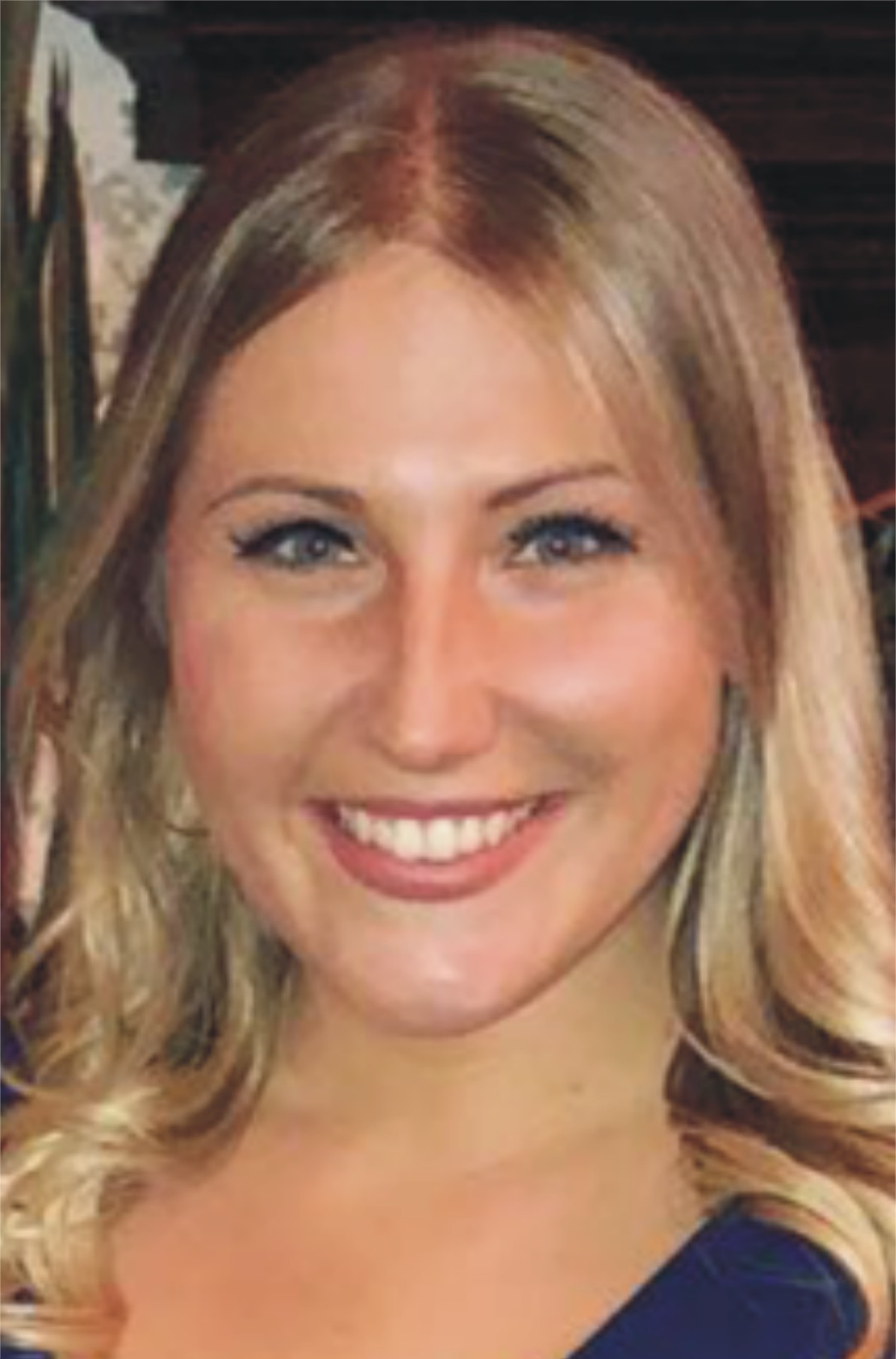
Lynsey, M.S. Literacy

Alexa S., Masters in Elementary Education
Our Speech-Language Therapists/Pathologists are licensed in the following states:
New York(NY)
New Jersey (NJ)
California (CA)
Michigan (MI)
Missouri (MO)
Washington (WA)
Pennsylvania (PA)
Idaho (ID)
Maine (ME)
Kentucky (KY)
Oregon (OR)
Maryland (MD)
Washington, DC
Connecticut (CT)
Craig Selinger, CEO, Owner, & Founder

Presented at:




Craig Selinger, a New York State licensed speech-language therapist and educational specialist, is the CEO of Brooklyn Letters. With over 20 years of experience in New York City, he leads a team providing services through Manhattan Letters, Queens Letters, Staten Island Letters, and Long Island Letters. Trained in Communicative Disorders, Craig specializes in childhood development and language-based learning issues, leveraging his extensive experience in both school and home settings. His approach, characterized by flexibility and adaptability, fosters long-term relationships with clients across a wide range of ages and developmental profiles.
Brooklyn Letters, under Craig’s leadership, has grown into a respected provider of speech-language therapy and multisensory literacy and math private practices in the NYC area. Craig’s expertise is widely recognized, leading him to speak at various conferences and events, including the Everyone Reading Conference and institutions like Mount Sinai and NYU Langdon. Additionally, during the onset of the pandemic, he hosted the Craig Selinger Podcast, featuring interviews with professionals in education, therapy, and medicine.
Craig’s specialties encompass a broad range of areas, including early childhood speech and language delays and disorders, expressive-receptive language disorders, school-age learning and literacy difficulties, executive functioning and attentional disorders, autism spectrum disorders, parent coaching, and feeding therapy. Beyond his professional endeavors, Craig is passionate about travel, having explored nearly thirty countries, and is an enthusiast of Brazilian jiu-jitsu. He resides in Brooklyn with his wife and two children.
For inquiries or questions, Craig can be contacted via email ([email protected]) or text (917-426-8880).
Schedule Now
Craig Selinger, a New York State licensed speech-language therapist and educational specialist, is the CEO of Brooklyn Letters. With over 20 years of experience in New York City, he leads a team providing services through Manhattan Letters, Queens Letters, Staten Island Letters, and Long Island Letters. Trained in Communicative Disorders, Craig specializes in childhood development and language-based learning issues, leveraging his extensive experience in both school and home settings. His approach, characterized by flexibility and adaptability, fosters long-term relationships with clients across a wide range of ages and developmental profiles.
Brooklyn Letters, under Craig’s leadership, has grown into a respected provider of speech-language therapy and multisensory literacy and math private practices in the NYC area. Craig’s expertise is widely recognized, leading him to speak at various conferences and events, including the Everyone Reading Conference and institutions like Mount Sinai and NYU Langdon. Additionally, during the onset of the pandemic, he hosted the Craig Selinger Podcast, featuring interviews with professionals in education, therapy, and medicine.
Craig’s specialties encompass a broad range of areas, including early childhood speech and language delays and disorders, expressive-receptive language disorders, school-age learning and literacy difficulties, executive functioning and attentional disorders, autism spectrum disorders, parent coaching, and feeding therapy. Beyond his professional endeavors, Craig is passionate about travel, having explored nearly thirty countries, and is an enthusiast of Brazilian jiu-jitsu. He resides in Brooklyn with his wife and two children.
For inquiries or questions, Craig can be contacted via email ([email protected]) or text (917-426-8880).
Schedule Now
Check Us Out
Online Speech Therapy: How to Keep Toddlers Engaged
How to Use Green Screen for Speech and Language Therapy
Literacy and the Brain: What You Need to Know
Academy Award winner, Peggy Stern, discusses SuperDville, a media channel for students 7-12 years of age with dyslexia and learning issues.

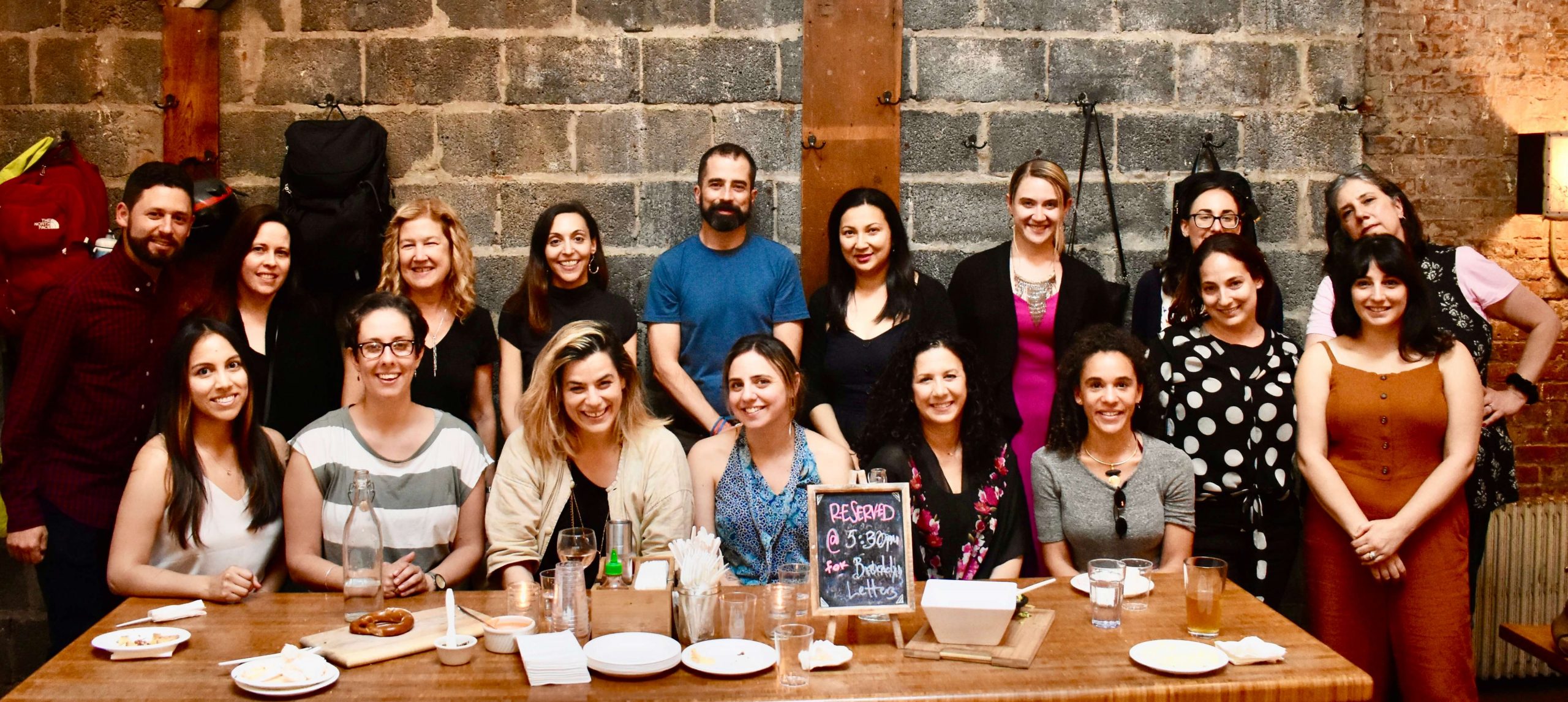
We offer in-person visits directly to your home throughout the New York City metro area, including locations such as Manhattan, Brooklyn, Queens, Staten Island, the Bronx, Riverdale, Yonkers, Westchester, Long Island, Connecticut (CT), New Jersey (NJ), and beyond. Areas in Brooklyn we serve include:
Bay Ridge
Bedford Stuyvesant
Bensonhurst
Boerum Hill
Borough Park
Bronx
Brooklyn Heights
Bushwick
Carroll Gardens
Clinton Hill
Cobble Hill
Crown Heights
Downtown Brooklyn
Dumbo
Dyker Heights
Flatbush
Fort Green
Gowanus
Gravesend
Greenpoint
Homecrest
Kensington
Lefferts Gardens
Madison
Manhattan Beach
Midwood
Mill Basin
Navy Yard
Park Slope
Prospect Heights
Prospect Park South
Red Hook
Sheepshead Bay
Sunset Park
Westchester
Williamsburg
Windsor Terrace and More!
Please note that the address provided below is for our main office, which is solely for administrative purposes.
SUBSCRIBE
Find Us